Syngonium Batik: The Unique Houseplant You Need to Add to Your Collection
If you're a plant enthusiast, you're always on the lookout for unique and beautiful houseplants to add to your collection. Well, look no further than the Syngonium Batik! This stunning plant is known for its eye-catching leaves with striking patterns that resemble batik. But, what exactly is Syngonium Batik, and why is it so special? In this blog post, we'll dive deep into the world of Syngonium Batik and explore everything you need to know about this amazing houseplant.
What is Syngonium Batik?
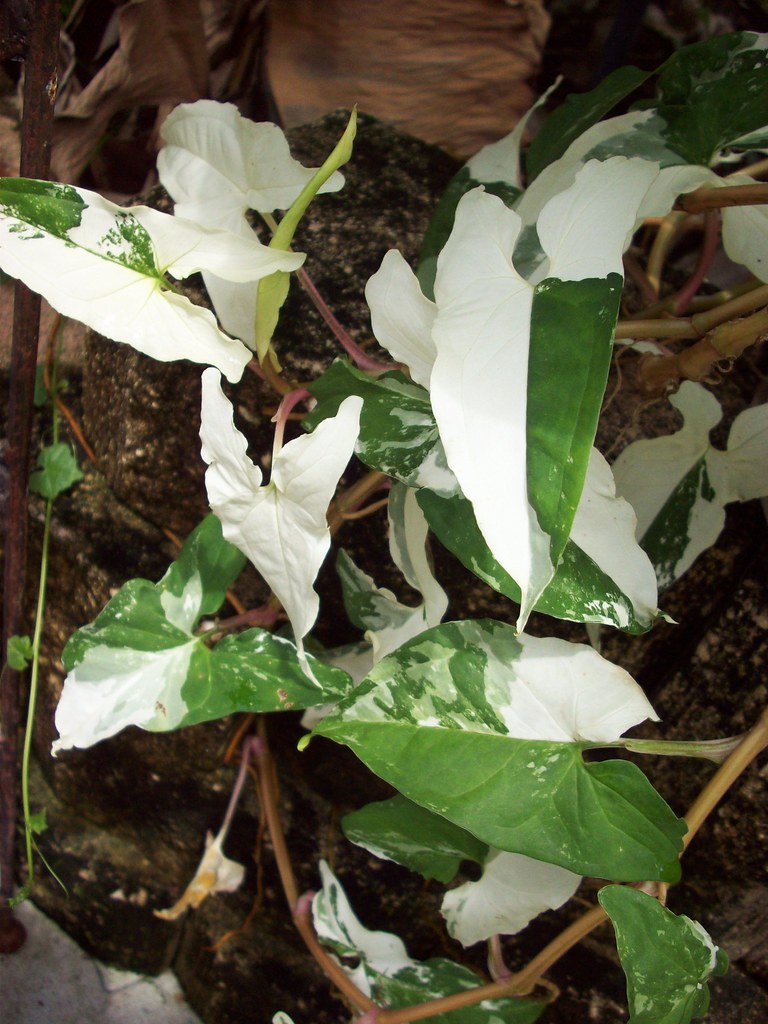
Syngonium Batik is a type of Syngonium plant that is native to South America. It is a climbing plant that can grow up to 3 feet tall indoors. The most distinguishing feature of the Syngonium Batik is its unique foliage. The leaves are arrow-shaped and have stunning patterns that resemble batik. The patterns vary from leaf to leaf, which makes every plant unique.
How to Care for Syngonium Batik?
Like other Syngonium plants, Syngonium Batik is relatively easy to care for. Here are some tips to help you keep your Syngonium Batik healthy and thriving:
- Light: Syngonium Batik thrives in bright, indirect light. Avoid direct sunlight, as it can burn the leaves.
- Water: Water your Syngonium Batik when the top inch of soil feels dry to the touch. Be careful not to overwater, as this can lead to root rot.
- Humidity: Syngonium Batik prefers high humidity levels. Consider placing a humidifier near your plant or misting the leaves regularly.
- Fertilizer: Feed your Syngonium Batik once a month during the growing season (spring and summer) with a balanced fertilizer.
Propagation
If you want to propagate your Syngonium Batik, the best way is through stem cuttings. Here's how to do it:
- Cut a stem from the parent plant that has at least two leaves and a node.
- Dip the cut end of the stem in rooting hormone.
- Plant the stem in moist potting soil and cover it with a plastic bag to create a mini greenhouse.
- Keep the soil moist and wait for roots to develop. Once roots have formed, remove the plastic bag and continue caring for the new plant as you would with an established Syngonium Batik.
Pests and Diseases
Syngonium Batik is generally resistant to pests and diseases. However, if you notice any of the following symptoms, take action immediately:
- Yellowing leaves: This can be a sign of overwatering or underwatering. Adjust your watering schedule accordingly.
- Brown tips on leaves: This can be a sign of low humidity levels. Increase humidity by misting the leaves or placing a humidifier nearby.
- Spider mites: These tiny pests can cause the leaves to become discolored and speckled. Use a neem oil spray to get rid of them.
- Mealybugs: These white, cotton-like pests can appear on the stems and undersides of leaves. Use a neem oil spray to get rid of them.
Toxicity
Like other Syngonium plants, Syngonium Batik is toxic to pets and humans if ingested. Keep your plant out of reach of children and pets.
Decor Ideas
Syngonium Batik is a versatile houseplant that can be used in a variety of decor styles. Here are some ideas:
- Bohemian: Pair your Syngonium Batik with macrame wall hangings and woven textiles for a boho vibe.
- Modern: Place your Syngonium Batik in a simple, white ceramic pot on a sleek, modern shelf.
- Jungle: Combine your Syngonium Batik with other tropical plants like Monstera and Bird of Paradise to create a lush jungle atmosphere.
Where to Buy
Syngonium Batik can be found at most garden centers and nurseries that sell houseplants. You can also find them online from reputable plant sellers.
Syngonium Batik is a unique and beautiful houseplant that is sure to add some interest to your collection. With proper care, this plant will thrive and continue to impress with its stunning foliage. So, go ahead and add a Syngonium Batik to your home - you won't regret it!
Frequently Asked Questions
Q1: Is Syngonium Batik easy to care for?
A1: Yes, Syngonium Batik is relatively easy to care for. It prefers bright, indirect light and high humidity levels.
Q2: How often should I water my Syngonium Batik?
A2: Water your Syngonium Batik when the top inch of soil feels dry to the touch. Be careful not to overwater, as this can lead to root rot.
Q3: Can Syngonium Batik tolerate low light?
A3: While Syngonium Batik prefers bright, indirect light, it can tolerate lower light levels. Just be sure to provide some natural light if possible.
Q4: How often should I fertilize my Syngonium Batik?
A4: Feed your Syngonium Batik once a month during the growing season (spring and summer) with a balanced fertilizer.
Q5: Does Syngonium Batik require a lot of humidity?
A5: Yes, Syngonium Batik prefers high humidity levels. Consider placing a humidifier near your plant or misting the leaves regularly.
Q6: Can I propagate Syngonium Batik from cuttings?
A6: Yes, the best way to propagate Syngonium Batik is through stem cuttings.
Q7: Is Syngonium Batik toxic to pets?
A7: Yes, like other Syngonium plants, Syngonium Batik is toxic to pets and humans if ingested.
Q8: Where can I buy Syngonium Batik?
A8: Syngonium Batik can be found at most garden centers and nurseries that sell houseplants. You can also find them online from reputable plant sellers.
Q9: What decor styles work well with Syngonium Batik?
A9: Syngonium Batik is versatile and can be used in a variety of decor styles, including bohemian, modern, and jungle.
Q10: How tall can Syngonium Batik grow?
A10: Syngonium Batik can grow up to 3 feet tall indoors.
10 Syngonium batik Images
1000 Images About Syngonium On Pinterest

Houseplants On Instagram I Feel Like A Lot Of The Time Succulents

Syngonium Neon Robusta Jungle Boogie In 2020 Plants Neon Garden

Syngonium Auritum

Neo On Instagram Syngonium Mottled Arrowhead Syngonium

Syngonium Fantasy Batik Plant Gift Melbourne An Immersive Guide By

Syngonium Podophyllum PLANTAS JARDINES MACETAS Pinterest Plants

Pin On Syngonium

I Went With The Majority And My Syngonium Is Now Climbing Up Very

35 Best Syngonium Images On Pinterest Plants Climbers And Container
Post a Comment for "Syngonium Batik: The Unique Houseplant You Need to Add to Your Collection"